
Blog
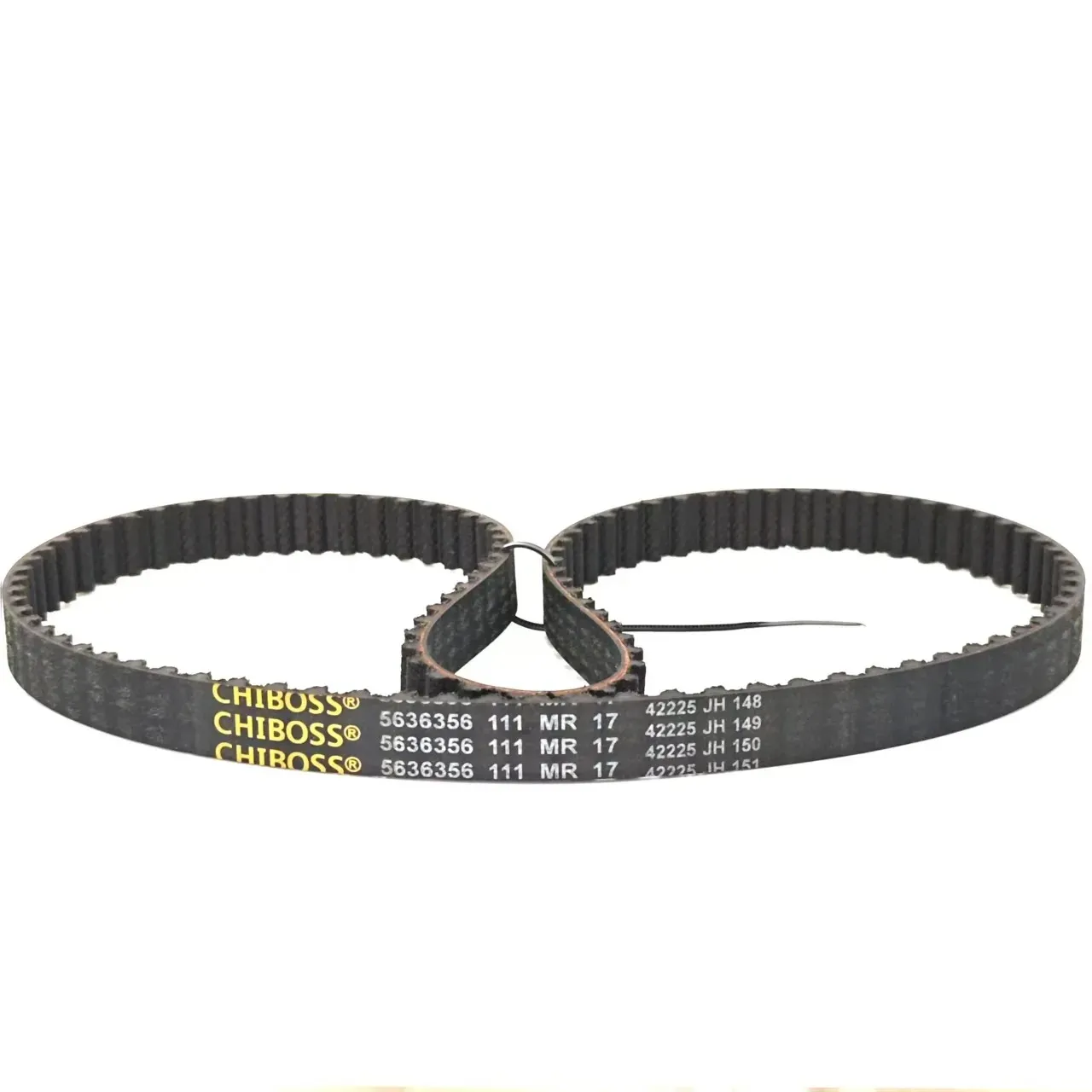
For reliable OEM and private-label timing belt sourcing, I recommend a structured process: define the application and belt specification, verify the timing belt manufacturer’s engineering capability, audit materials and production controls, approve samples through dimensional and performance testing, confirm packaging and branding, and then manage mass production with documented inspections.
October 26, 2026
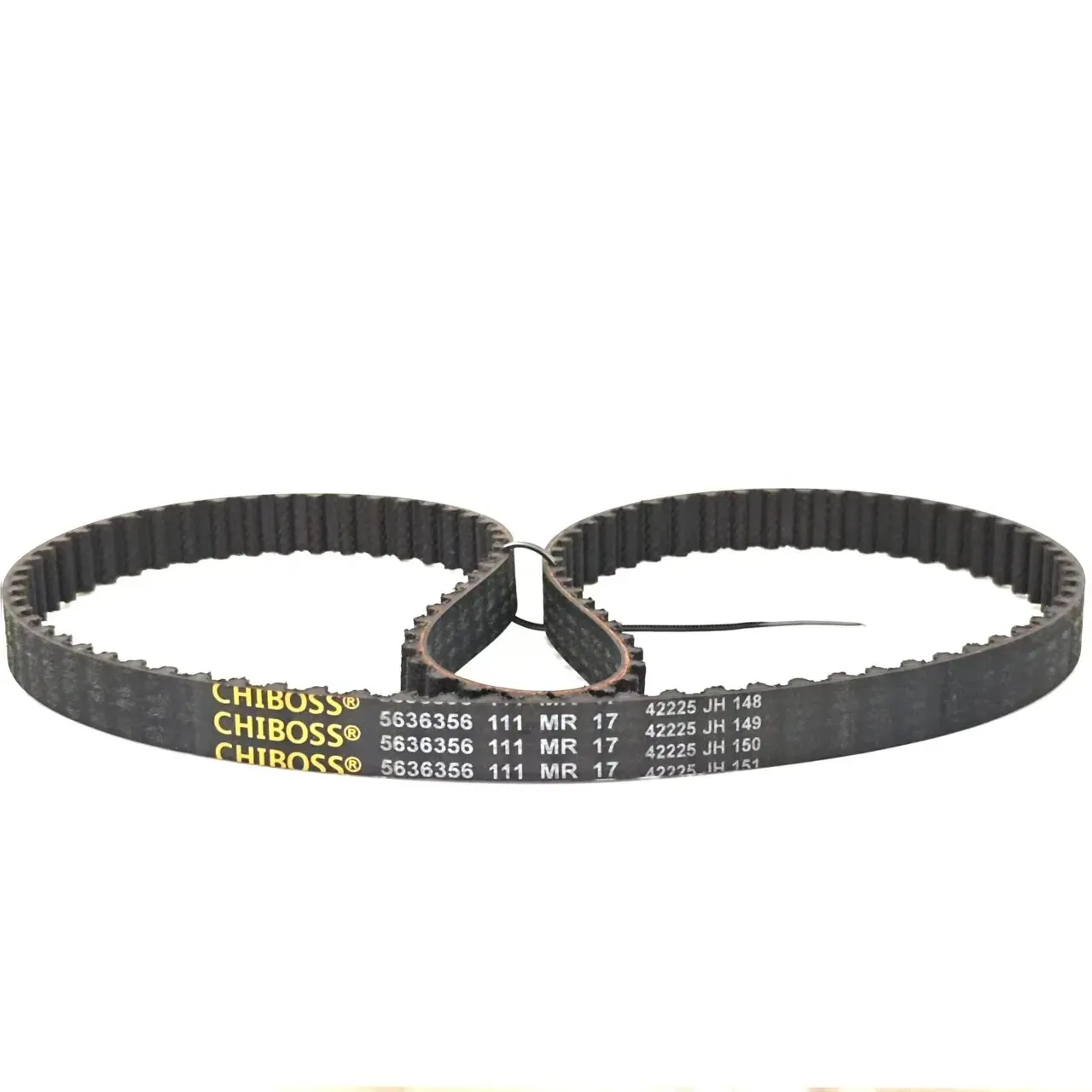
A Timing Belt Supplier selection guide should help engineers and purchasing teams choose a belt material that survives actual heat, oil, load, speed, and maintenance conditions. The best choice is not based on temperature resistance alone. It depends on the complete operating environment, the belt construction, the pulley system, and the expected service life.
October 23, 2026
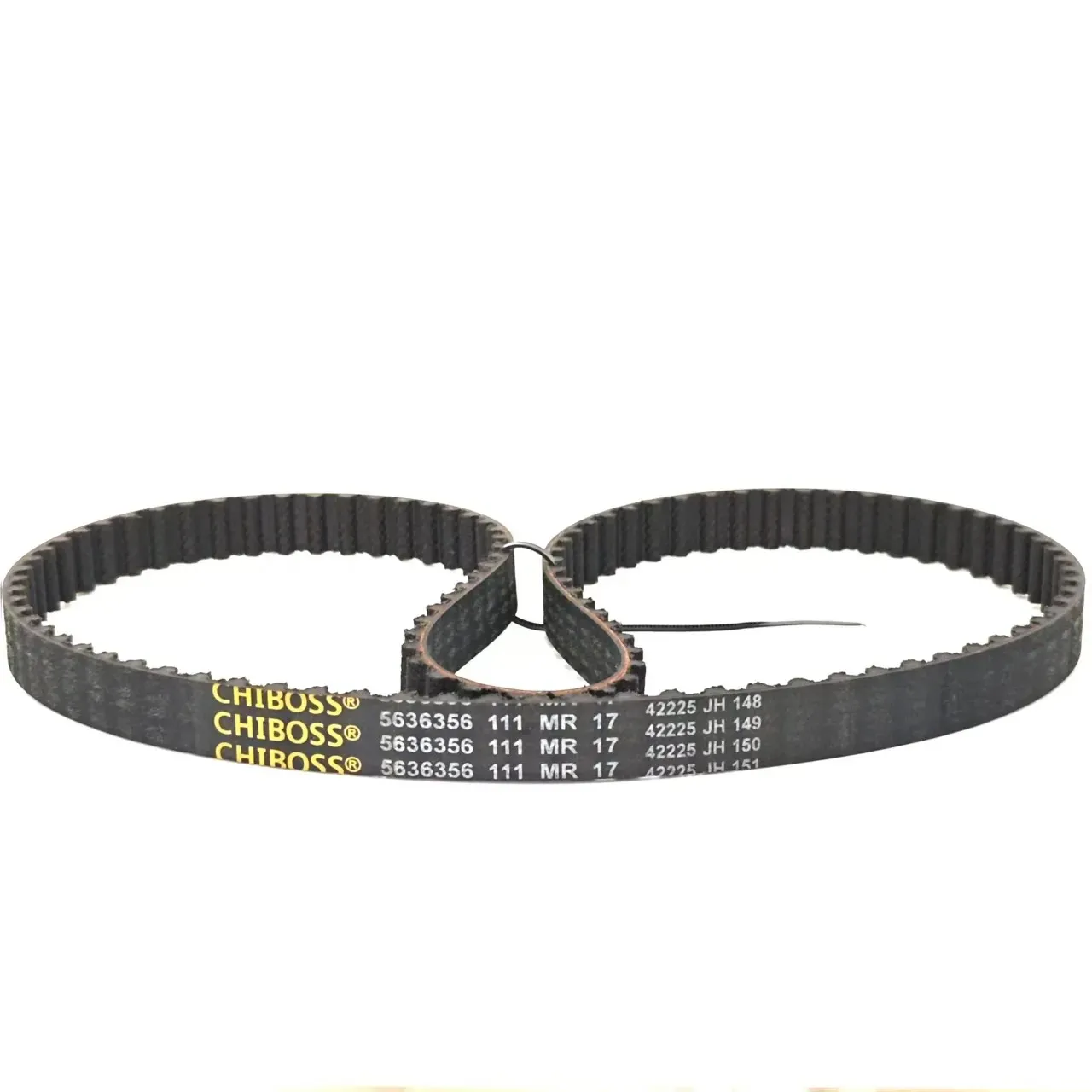
A reliable Timing Belt Supplier develops an OEM belt through a controlled process that connects machine requirements, belt geometry, materials, manufacturing, testing, and production support. This guide explains each step so purchasing teams, engineers, and production managers can select a suitable supplier and reduce development risk.
September 25, 2026
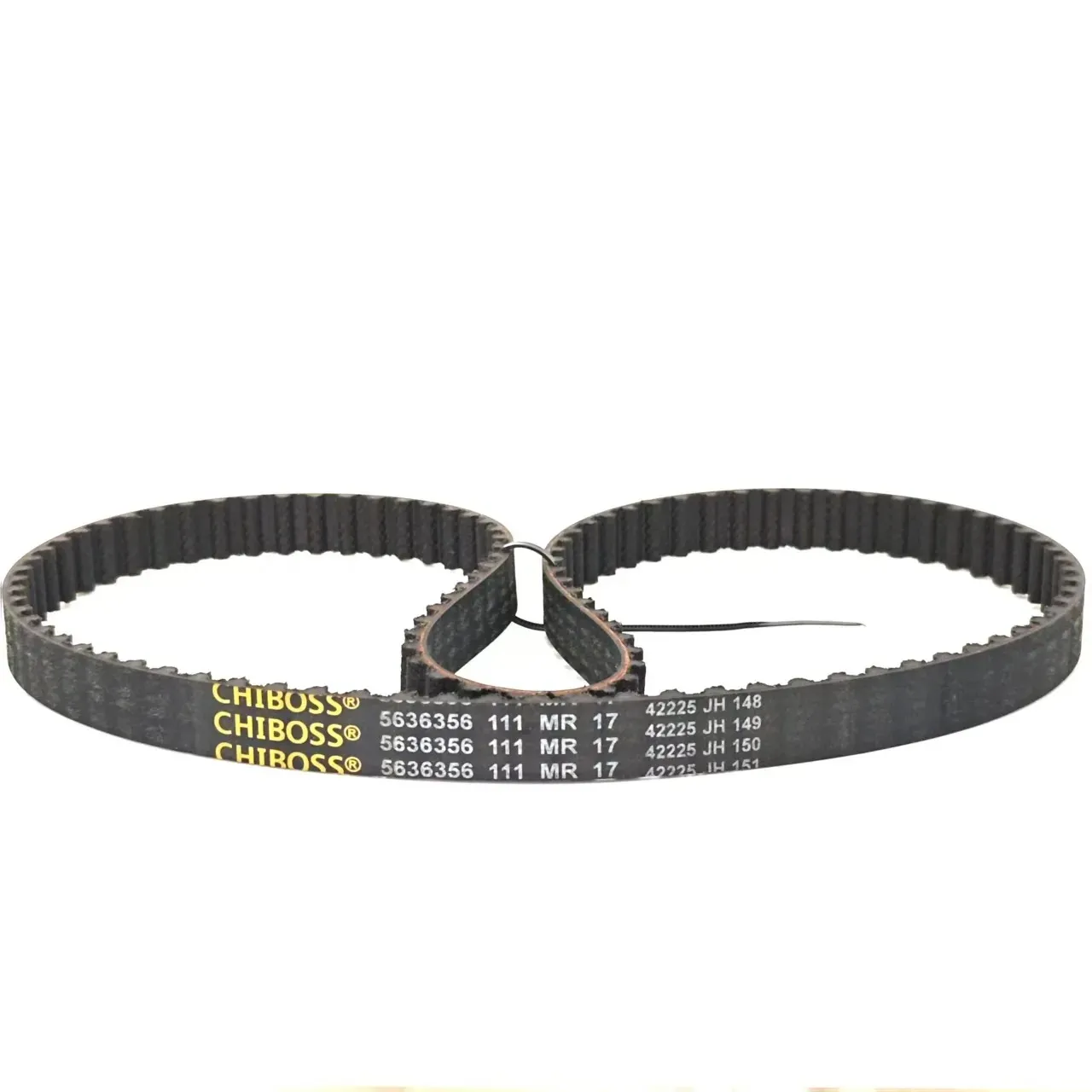
When an off-the-shelf belt causes repeated tooth skipping, limited pulley options, or an awkward fit inside a compact machine, an OEM timing belt manufacturer can help convert the drive into a controlled engineering specification. Custom timing belts for OEM production may use a selected pitch, tooth profile, and tensile strength instead of forcing the design around catalog sizes. For teams
September 24, 2026
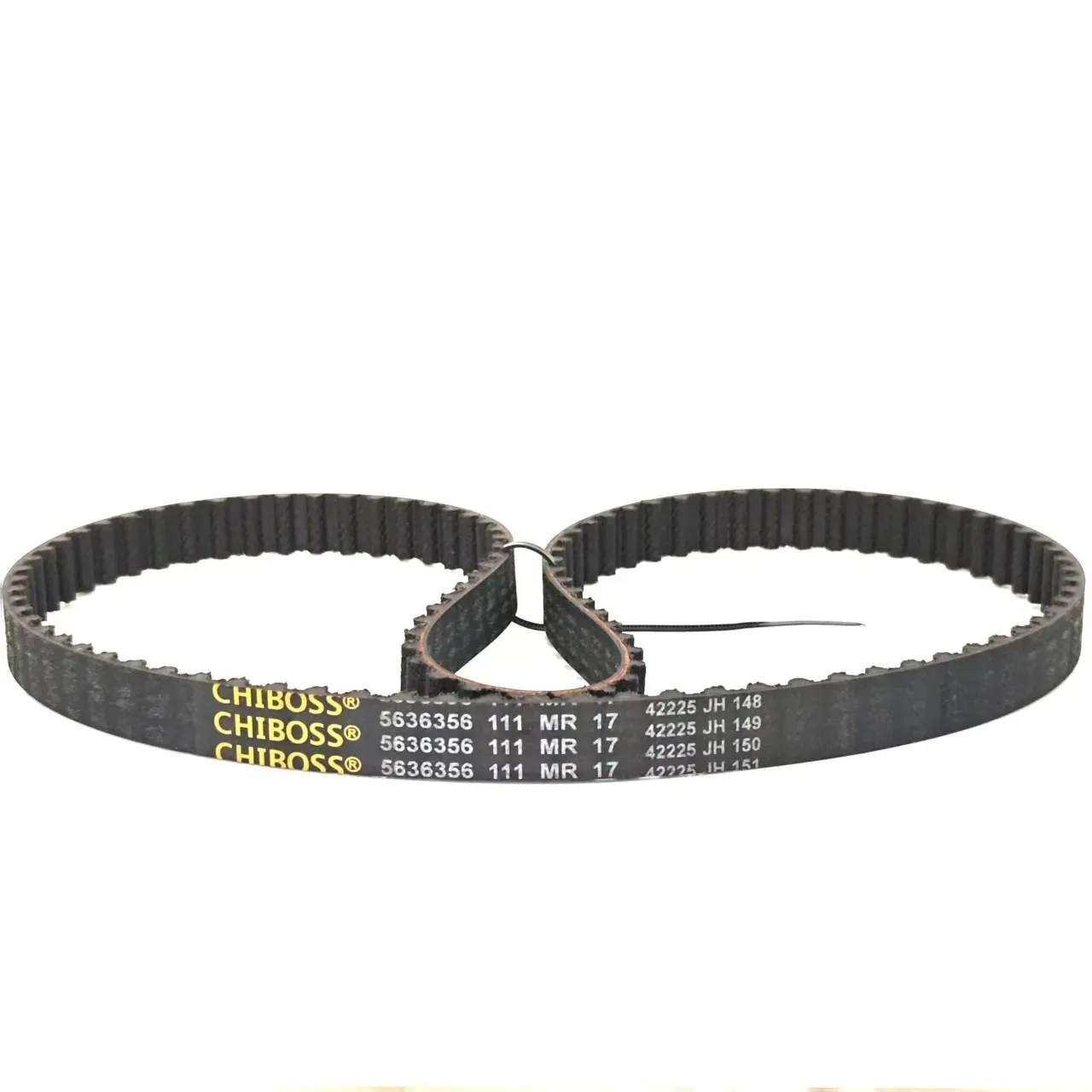
Choosing the right timing belt manufacturer can prevent skipped teeth, machine downtime, and costly engine damage. Buyers often compare a custom timing belt supplier by price alone, but belt profile, tooth pitch, tensile cord, operating temperature, and quality control matter just as much. This guide explains how timing belts work, how automotive and industrial belts differ, and how to select a
September 23, 2026
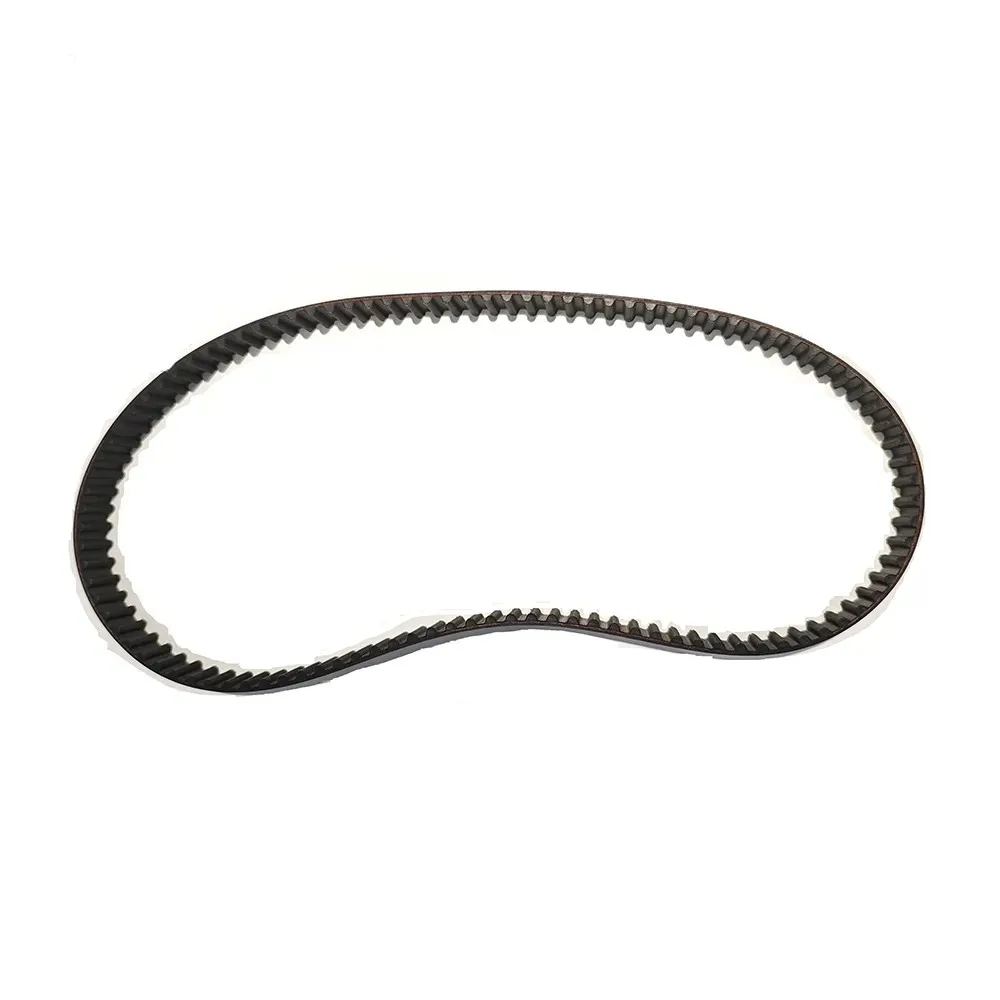
Factories are asking a timing belt manufacturer to solve a specific production problem: maintain positioning accuracy while robots accelerate, conveyors run continuously, and changeovers become more frequent. The most relevant searches now include timing belts for robotic automation, high-speed timing belt conveyor systems, and a custom timing belt manufacturer for production lines. In practical
September 22, 2026


